How to prevent debit and credit card cloning

Written by Ziyad Bakkali

Updated October 23, 2026 | Published October 23, 2026

Debit and credit card cloning is a counterfeiting scheme wherein a card’s details are secretly copied onto a fake card and used to make unauthorized transactions.

Thankfully, card cloning is very preventable. In this article, we’ll explain what debit and credit card cloning is, how it works, and how to protect yourself from fraudsters.

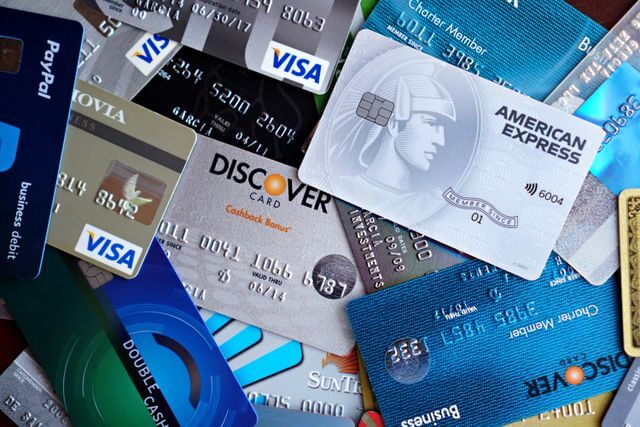
A pile of assorted credit and debit cards from several card networks, including Visa and American Express.

The important points

  • Debit and credit card cloning is a counterfeiting scheme in which a card’s details are copied onto a fake card without the cardholder’s knowledge.
  • Fraudsters can obtain card information through skimming and shimming devices, phishing scams, data breaches, and several other techniques.
  • Simple precautions, such as covering the keypad and using ATMs inside bank branches, significantly reduce the risk of card cloning.

What is debit and credit card cloning?

Card cloning is a type of payment card fraud that involves stealing a legitimate debit or credit card’s information and copying it onto another card. Fraudsters can use cloned cards to make purchases or, with debit cards, withdraw cash from your account.

A cloned card allows a fraudster to access the original cardholder’s funds or credit. The clone may be a blank white card or an identical replica.

The classic method involves criminals planting tiny data-capturing devices on card readers. When someone inserts or swipes their card, the device intercepts the data being exchanged between the card and the terminal and stores the user’s information.

Much of this stolen data ends up on the dark web as dumps. A debit or credit card dump is a batch of stolen card data that’s packaged up and sold to other criminals. It also enables perpetrators to turn small-scale, localized crime into a highly organized global business.

How does card cloning work?

Card cloning happens in two steps. First, the fraudster steals your card information. Then, they copy it onto a blank card and use it as if it were yours.

There are a few common ways fraudsters get their hands on your card information:

  • Skimming devices. Skimmers are devices planted on card readers that capture the data stored on a card’s magnetic stripe (or magstripe). However, they work only with swipe payments, which are becoming less common thanks to the rise of chip and contactless technology.
  • Shimmers. A shimmer is a paper-thin device that targets a card’s chip. It works similarly to a skimmer, but it’s built into the machine’s chip reader. Standard chip cards are heavily encrypted and hard to clone, but successful perpetrators can still use the stolen data to create swipe-only counterfeits.
  • Hidden cameras and fake keypads. To use a cloned debit card at an ATM, the fraudster also needs your PIN (personal identification number). They may record what you type using pinhole cameras or keypad overlays.
  • Data breaches. A hacker may infiltrate a business’s database and access its internal customer records, potentially including its customers’ banking information.
  • Phishing and phone scams. These scams rely on deception, using fake emails, texts, or calls from seemingly legitimate organizations to trick people into revealing their banking information.

The last two methods on the list don’t always lead to a physical clone. Instead, these thieves usually want your card number and security code, which they can use for card-not-present fraud. This is when someone makes online or remote purchases without needing the physical card itself.

Traditional card cloning, however, is largely card-present fraud. As we mentioned earlier, much of this is enabled by skimming.

Skimmers come in two main types:

  • Overlay skimmers. These are counterfeit casings clipped or taped over the payment terminal. They’re built to match the terminal’s exact look, and since payments still go through normally, most people never notice them.
  • Internal skimmers. Unlike overlay skimmers, these are deeply inserted into the terminal itself, typically wired into or attached directly to the magstripe reader. Some devices can relay stolen data to a fraudster’s phone, laptop, or remote server; the longer the skimmer goes unnoticed, the more the thief profits.

Thieves don’t need much time with either type. Some reports suggest that attaching an overlay skimmer to a gas pump takes only a few seconds.1 Deep-insert skimmers take more effort to install, but a discreet thief with the right tools can do it quickly enough.

Speaking of gas pumps, there are other places you may encounter skimming devices.

Card skimming hotspots

Skimming can happen anywhere you hand over or insert your card. That said, fraudsters have their favourite spots.

ATM skimming

Standalone ATMs, like those found in convenience stores, bars, or gas stations, are a natural target. They’re rarely monitored compared to bank-owned machines, making it easier for a skimmer to go undetected.

The perpetrator’s goal, especially with debit skimming, is usually to collect your card information and PIN. To get your card data, they’ll typically use an overlay skimmer on the card slot. To get your PIN, they’ll typically hide a camera above the main screen or near a light fixture or use a fake keypad.

Once they’ve cloned your card, they can withdraw cash from your account. Fortunately, most banks and card networks will reimburse you in full, but only if you’ve done your part to keep your banking details secure and take action quickly.2

POS terminal skimming

A POS (point-of-sale) terminal is the card machine you use to pay at a store or restaurant. Fraudsters may tamper with these by adding an overlay, swapping in a rigged terminal, or (less often) involving a dishonest employee.

The old-school version of this scam is a server walking away with your card, swiping it through a handheld skimmer, and then running your bill. That’s much less common in Canada now that most restaurants bring the terminal to your table. If someone does need to take your card out of sight, it’s worth asking why.

Fuel pump skimming

Gas pumps are another popular target. They see a lot of visitors, but they’re not always supervised, especially at night. The operation itself is similar to ATM skimming.

That said, thieves don’t always get away with it, particularly at locations that regularly check their machines and have video surveillance.3

But skimming devices can sit on a pump for days before anyone notices. In one Calgary case, police found skimmers at 38 different gas stations around the city.4

Related articles:
It only takes 5 minutes

ready for an online quote? Your time matters, and so does your stuff. Get a personalized home insurance quote in 5 minutes. That’s less time than it takes to wait in line for coffee.

Before you start, please review our Privacy Policy and Terms of Use.

Tips to avoid card cloning and card fraud

The best protection against card cloning and card fraud is a mix of prevention and vigilance.

Most of these habits take seconds, and they work the same whether you’re paying with debit or credit.

  • Tap or insert; don’t swipe. Whenever possible, use tap-to-pay or the card’s chip. Contactless payments are widely accepted nowadays. If the machine asks you to swipe a chip card, consider paying another way.
  • Inspect the card reader before you use it. Give it a gentle wiggle. If anything feels loose or comes apart, be wary. Check for inconsistencies in colour, texture or material. If there’s resistance or unusual depth when you slide your card in, that may be a red flag.
  • Cover the keypad when you enter your PIN. Use your hand, wallet, or another object to block the keypad as you type, in case a hidden camera is nearby. This also protects you from anyone looking over your shoulder.
  • Keep your PIN to yourself. Don’t share it with anyone, including family members. Avoid easy-to-guess combinations like your birthday or phone number. Keep your PIN safe, as it can affect whether you’re reimbursed for fraud.2
  • Choose your machines wisely. ATMs inside or attached to a bank branch are safer bets than standalone machines. At the gas station, pumps within view of the cashier are less likely to be tampered with — or you can simply pay inside.
  • Keep your card in sight. If a cashier or server needs to take your card somewhere, ask that they bring the terminal to you instead.
  • Don’t give card details to anyone who contacts you. Unsolicited requests for financial information are a common scam tactic. If a caller, text, or email asks for your card information, hang up or ignore it. If they claim to be from a specific organization, find its official website yourself and call the number listed there.
  • Shop on secure, reputable websites. Stick to retailers you know, and be wary of deals that seem too good to be true. Look for “https” in the address bar, but don’t treat it as a seal of approval; plenty of scam sites have it too.
  • Turn on transaction alerts. Most banks and card issuers can send text or app notifications every time your card is used. You’ll be able to spot and report charges you didn’t make right away.
  • Review your statements regularly. Look through every transaction, including the small ones. Fraudsters will sometimes test a cloned card on small purchases before spending large amounts.
  • Dispose of old cards and statements safely. Don’t toss an expired card in the trash. Cut through the card number, chip, and magstripe first. If you’re getting rid of old statements or other documents with your financial information, shred them too.

Extra tips for debit cards

If you have a credit card and pay off the balance every month, it’s generally a safer choice than debit for everyday purchases. Debit cards draw on your own funds, whereas credit cards draw on borrowed funds (the bank’s money). You may want to consider some extra precautions:

  • Use credit at riskier spots. Unattended gas pumps and other self-serve machines are common targets for skimmers. If you’re skeptical, consider paying with credit. Your maximum liability for unauthorized charges is generally lower with credit than with debit, so you’re less likely to lose your own money by paying with a credit card.2
  • Lower your daily limits. Cloned debit cards use the same account credentials and daily limits as your own card. To minimize damage, align your withdrawal and purchase limits with your typical spending. Most banks let you do this online, on their app, or by phone.

For more ways to protect your personal information, take a look at our guide to securing your identity.

How to catch and report debit and credit card fraud

In many cases, your financial institution will catch card fraud before you do. Still, it’s worth knowing the signs that your card may have been compromised:

  • Unfamiliar charges, withdrawals, or requests for a verification code
  • Transactions in cities or countries you haven’t visited
  • Unsolicited calls, texts, or emails from a third party asking about your financial activity
  • Your card gets declined when you attempt to pay, knowing there’s money in your account
  • Your card gets stuck in or “eaten” by an ATM, which can be a sign of tampering

If you think your card has been cloned, act quickly. The sooner you report it, the less damage a fraudster can do.

  1. Contact your bank or card issuer right away. Use the number on the back of your card or in your banking app. They can cancel the card, issue a replacement, and launch an investigation.
  2. Write everything down. Note which transactions are fraudulent and how you noticed them, along with the details of anyone you spoke with.
  3. File a police report. Contact your local police and keep the case number.
  4. Report it to the Canadian Anti-Fraud Centre. You can report online through the Report Cybercrime and Fraud website or by calling 1-888-495-8501. The CAFC encourages you to report fraud even if you didn’t lose any money.5
  5. Put a fraud alert on your credit report. Contact Equifax and TransUnion to add a fraud alert to your file. That way, lenders must verify your identity more thoroughly before opening new credit in your name.6

If you have a hunch about where your card was cloned, let the business know. It may help them find the device before anyone else is affected.

Sometimes, thieves steal more than just money. If they obtain a victim’s personal details, they can use them to commit identity theft. In these cases, identity theft insurance can help.

Commonly asked questions

What recourse is available for card cloning victims?

Canadians have fairly strong protections against card fraud. In most cases, if you took reasonable steps to protect your personal and banking information, you’ll get your money back. That means you didn’t share your PIN with anyone and reported the fraud promptly.

How much protection you have depends on which card was cloned:

  • Credit cards. By law, your maximum liability for unauthorized credit card transactions is $50 if your card comes from a federally regulated bank. Financial networks like Visa, Mastercard, and American Express will usually reimburse you in full.2
  • Debit cards. Under the Canadian Code of Practice for Consumer Debit Card Services, you’re not liable for losses caused by circumstances beyond your reasonable control, such as fraud or a technical problem.6 Interac also has a zero-liability policy for its debit network.7

How often do card cloning fraudsters get caught?

No reliable figure exists for how often card fraudsters are caught and charged. Part of the problem is that most fraud cases never reach the authorities; the CAFC estimates that only 5% to 10% of fraud is ever reported.5

Nonetheless, investigations into reported fraud do lead to arrests, especially when suspects are caught in the act or identified through video surveillance.

Is tapping safer than inserting your card?

Both are safe, and both are much safer than swiping. Tap payments use the same chip technology as inserting your card and rely on unique, one-time codes for each transaction.

Tapping also avoids the card slot entirely, which rules out shimmers and card traps. However, contactless transactions have a spending limit, above which you’ll need to insert your card and enter your PIN.

Does home insurance cover credit card fraud?

Generally, no. Fraudulent charges on your debit or credit card are handled by your bank or card issuer.

However, card fraud is sometimes linked to identity theft. Many home insurance policies offer identity theft coverage that helps with the costs of restoring your identity. If you have home insurance with Square One, you can add identity theft coverage for as little as $1.67 per month. Get in touch with us to learn more.

Sources

  1. CBC News. “Credit card skimming devices on pay-at-pump machines on rise, police warn.” cbc.ca, 24 March 2015, www.cbc.ca/news/canada/calgary/credit-card-skimming-devices-on-pay-at-pump-machines-on-rise-police-warn-1.3007457.
  2. Financial Consumer Agency of Canada. “Unauthorized credit and debit transactions: know your rights and responsibilities.” canada.ca, www.canada.ca/en/financial-consumer-agency/services/rights-responsibilities/protection-unauthorized-transactions.html. Accessed October 16 2026.
  3. Sebben, Laura. “Two men arrested after allegedly installing ‘payment skimming devices’ at a Clarington gas station.” ctvnews.ca, 9 March 2026, www.ctvnews.ca/toronto/local/durham/article/two-men-arrested-after-allegedly-installing-payment-skimming-devices-at-a-clarington-gas-station/.
  4. CBC News. “Credit card skimming at Calgary gas stations leads to arrests.” cbc.ca, 18 June 2015, www.cbc.ca/news/canada/calgary/credit-card-skimming-at-calgary-gas-stations-leads-to-arrests-1.3118878.
  5. Canadian Anti-Fraud Centre. “Fraud Prevention Month to bring hidden crime into the spotlight.” antifraudcentre-centreantifraude.ca, 6 March 2026, antifraudcentre-centreantifraude.ca/news-nouvelles/2026/2026-03-06-eng.htm.
  6. Financial Consumer Agency of Canada. “House Standing Committee on Finance (May 31, 2024): ISSUE: Fraud and FCAC oversight of unauthorized transactions.” canada.ca, 31 May 2024, www.canada.ca/en/financial-consumer-agency/corporate/transparency/briefing-packages-parliamentary-committee-appearances/standing-committee-finance-may-31-2024/fraud-fcac-oversight-authorized-transactions.html.
  7. Interac. “Interac Debit card fraud losses at their lowest level ever.” interac.ca, 28 February 2017, www.interac.ca/en/content/news/interac-debit-card-fraud-losses-at-their-lowest-level-ever/.

Want to learn more? Visit our Home Buying, Selling and Moving resource centre for everything you need to know about real estate, buying a home, or moving. Or, get an online quote in under 5 minutes and find out how affordable personalized home insurance can be.

Computer

Get a free quote

Get a personalized online home insurance quote in just 5 minutes and see how much money you can save by switching to Square One.

Get an online quote now

People

Protect your family

Even when you take precautions, accidents can happen. Home insurance is one way to protect your family against financial losses from accidents. And, home insurance can start from as little as $15/month.

Learn more