Heating your home efficiently

Written by the Square One team

Reviewed by George Baral

Updated September 19, 2025 | Published November 22, 2011

When the leaves begin to fall and the air turns colder, many Canadians reach for the thermostat. But there’s more than one way to stay warm this winter, and some can help you save money and reduce your environmental impact. Here are a few ways to improve comfort and save energy this heating season.
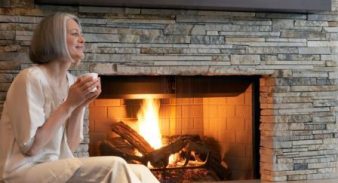

A woman enjoying a warm drink while sitting in front of a cozy fireplace.

The important points

  • Proper insulation and tight seals around windows and doors are essential for efficient home heating.
  • A well-maintained furnace and vent system will operate more efficiently than a neglected one.
  • Turning down the thermostat a few degrees, especially when heat isn’t needed, can significantly reduce energy usage.

Insulate your home

Properly insulating your home helps keep heat inside and cold air out, making your heating system more efficient.

  • Inspect for gaps around fans, vents, pipes, and electrical outlets. Even small leaks through keyholes or light switches can affect your home’s temperature. Test for air leaks by walking through your house with a lit candle or incense stick and holding it near doors, windows, and other openings. If the flame flickers or the smoke moves, you’ve found a draft. Pay special attention to recessed lights, especially those below the attic, and seal any leaks you find.

  • Arrange furniture closer to the center of the room, away from exterior walls where it’s colder. However, keep couches and chairs clear of radiators or heating vents so they don’t absorb heat meant for the whole room.

  • When renovating your home or replacing windows, consider installing low-energy or ENERGY STAR-certified windows. These can dramatically reduce energy loss and help maintain a comfortable indoor temperature.

  • If your floors aren’t insulated, up to 10% of a room’s heat can be lost through them. Use area rugs on wood floors to add warmth and reduce heat loss—they’re both decorative and practical.

  • Prevent cold air from seeping in under exterior doors by using door snakes or draft stoppers. These simple tools block chilly air and help keep rooms warmer.

  • Consider adding insulation to attics or basements if these areas feel especially cold, as insufficient insulation can limit how well they retain heat.

Insulate yourself

  • Dress in layers, including a warm sweater and slippers, to stay comfortable without raising the thermostat. A wearable blanket with sleeves is a cozy option for relaxing at home.

  • Use an electric blanket at night to warm up your bed instead of heating the entire room. Alternatively, a down duvet can provide excellent warmth.

Windows and doors

  • If your windows are single-pane, consider upgrading to double-glazed or ENERGY STAR-certified models. This not only improves insulation but also helps reduce outside noise.
  • Use window coverings like drapes and blinds to add an extra layer of insulation. Open them during the day to let in sunlight and close them at night to retain warmth.
  • Check for gaps around windows and door frames. Apply sealant or weatherstripping as needed to block drafts.
  • Install plastic window covers during colder months to help prevent heat loss through glass.
  • Inspect door and window seals annually. Replace any worn or brittle gaskets to ensure a tight seal and prevent air leaks.
  • Check your window wells for proper sealing to prevent water from leaking into the basement.
It only takes 5 minutes

ready for an online quote? Your time matters, and so does your stuff. Get a personalized home insurance quote in 5 minutes. That’s less time than it takes to wait in line for coffee.

Before you start, please review our Privacy Policy and Terms of Use.

Furnace

  • Schedule annual maintenance for your furnace to keep it running efficiently. A qualified technician can inspect and tune up your system before the heating season begins.
  • If your furnace is over 15 years old, consider upgrading to a modern ENERGY STAR model for improved efficiency and lower energy bills.
  • Clean or replace furnace filters regularly—ideally every one to three months during heating season. A clogged filter restricts airflow, reduces heat output, and can cause other issues.
  • Have your ducts cleaned periodically to remove dust buildup, which can clog filters, aggravate allergies, and produce unpleasant odors when the furnace runs.
  • Maximize heat from radiators, especially those on exterior walls, by placing heat-reflective aluminum foil behind them. This reflects heat back into the room instead of letting it escape through the wall.
  • Install a shelf above radiators, particularly in rooms with high ceilings, to help channel heat into the living space. Avoid placing items directly on radiators, as this can block heat flow.
  • Ensure that furniture and rugs are not blocking vents, registers, or baseboard heaters. Clear space around heat sources to allow for proper airflow and efficient heating.
  • Do not close doors or vents in unused rooms, as this can unbalance your heating system and make the fan work harder, potentially causing problems and increasing energy use.

Thermostat

  • Lower your thermostat before bed or when leaving the house for extended periods. To prevent frozen pipes, never set it below 15°C.
  • Consider installing a programmable or smart thermostat. These devices can automatically adjust your home’s heating schedule, helping you save energy without constant manual changes.
  • For optimal savings, set your thermostat to around 20°C when you’re home and 17°C when you’re asleep or away. Even a small reduction can make a noticeable difference in your energy bill.

Weather-stripping

  • Applying weatherstripping around windows and doors is a simple, cost-effective way to stop drafts and keep warm air inside. It’s easy to install and can last for years, making it a smart investment for energy efficiency.

Wood fireplace

  • When your wood fireplace isn’t in use, always close the damper to prevent cold drafts from entering. Leaving it open is like having a window open in the room. Remember to open the damper before lighting a fire.
  • Installing glass fireplace doors can help reduce heat loss when the fireplace is not in use.
  • Consider a chimney balloon, which is inflated inside the chimney to block cold air from coming in and warm air from escaping. Be sure to remove it before using the fireplace.
  • Have your chimney cleaned and inspected regularly, following the manufacturer’s recommendations. Soot, dust, and even animals can block chimneys, reducing efficiency and increasing the risk of house fires.

Want to learn more? Visit our Home Improvement resource centre for tips and inspiration for your next big home improvement project. Or, get an online quote in under 5 minutes and find out how affordable personalized home insurance can be.

About the expert: George Baral

George Baral has an MBA and a masters' degree in chemistry. He spent almost 35 years inspecting and evaluating heating and air conditioning systems before retiring. He obtained a California general contractor's license to start a company focusing on energy-efficient construction, became certified as a LEED AP and earned a NATE (North American Technical Excellence) certification, which provides advanced training for HVAC technicians.

Computer

Get a free quote

Get a personalized online home insurance quote in just 5 minutes and see how much money you can save by switching to Square One.

Get an online quote now

People

Protect your family

Even when you take precautions, accidents can happen. Home insurance is one way to protect your family against financial losses from accidents. And, home insurance can start from as little as $15/month.

Learn more
