Lithium-ion battery fire safety

Written by Seamus McKale

Reviewed by Daniel Mirkovic

Updated February 17, 2026 | Published February 17, 2026

You’ll find a lithium-ion battery in countless electronic devices that you use every day: cell phones, e-scooters and bikes, wireless headphones, e-cigarettes, and so many others. Lithium-ion batteries are lightweight, they charge quickly, and they last a long time.

But there’s a downside: lithium-ion batteries can, in rare cases, catch fire — almost without warning.

Most of these fires are the result of poorly made batteries, negligent handling, or both. While rare, battery fires are becoming more common; in 2025, 96% of fire departments serving major Canadian cities responded to fires involving lithium-ion batteries. That’s up from 83% in 2024 and 78% in 2023.1

Luckily, this fire risk is quite manageable. In this article, we’ll explain how to safely use, charge, and store lithium-ion batteries, and what to do in the event of a fire.

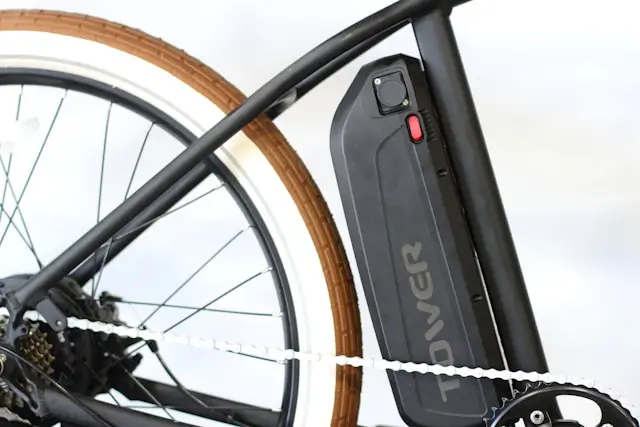
Thumbnail showing a closeup of a black e-bike battery mounted between the bike's rear wheel and frame

The important points

  • Lithium-ion batteries are generally safe if used and stored correctly, but the consequences of a battery fire can be severe.
  • Battery fires are usually caused when the battery gets too hot, resulting in a feedback loop known as thermal runaway.
  • Larger batteries will create larger fires; high-capacity batteries, like those on e-mobility devices, should not be stored indoors.

How dangerous are lithium-ion batteries?

While the consequences of a Lithium-ion (Li-ion) battery fire can be severe, the odds of any given battery igniting are small. Li-ion batteries have a failure rate of less than one per million.2 But, with billions of Li-ion batteries powering devices around the world, that still means many fires.

When used and cared for properly, certified Li-ion batteries are safe. However, negligent handling can lead to extremely dangerous fires.

“The good news is, it doesn’t happen very often, but the bad news is, when it does, it’s significant,” said Len Garis, director of research for the National Indigenous Fire Safety Council and associate scientist emeritus with the BC Injury Research and Prevention Unit.

“Whether it’s a cell phone or whether it’s some other product that’s driven by a lithium scenario, if it fails, then it’s significant, and it’s intense.

“It’s pretty hard to define the nature and the scope of the problem other than what we’re reading in the news, and larger communities like metro Toronto, et cetera, are seeing a massive increase in the number of fires.”3

Causes and dangers of lithium-ion battery fires

Without going off the scientific deep end, Li-ion batteries have a positive electrode, a negative electrode, and a layer that separates them. These layers are contained within an electrolyte material, altogether creating a battery cell.4 Many batteries have more than one cell inside.

If a separation layer is damaged and the positive and negative electrodes come into contact, they will start generating heat — a lot of it, very quickly. This heat can trigger the battery’s emergency pressure vent, which can combust if the battery is hot enough. The combustion can trigger the same reaction in the battery’s other cells.5

This is called thermal runaway. Basically, it’s a feedback loop caused when batteries overheat. It can be triggered by physical damage, external heat, or a failure of the battery management system.6

An ignited battery will burn at very high temperatures — up to 2,760 °C for a large battery (compare that to the average campfire at about 482 °C). The fumes contain toxic gases such as hydrogen fluoride, carbon monoxide, and hydrogen cyanide.7 8 And all of this can occur within a minute from the first sign of a problem.9

“The consequences around those fires in terms of the gases … are significantly impactful on the human biology, whether you’re a civilian or whether you’re a firefighter, and the environment,” said Garis.

“I would emphasize that the gases that emanate from that fire are going to be deadly. They can damage your DNA, and some of those heavy metals stay within your system for many years to come.

“It’s not good stuff.”3

In short, Li-ion battery fires are not to be taken lightly.

Added risks with e-mobility devices

Large Li-ion batteries, like the ones on e-scooters or e-bikes (to say nothing of electric cars), pose a higher risk than small batteries — more potential energy means larger and more intense fires.

Since e-mobility devices are, by definition, often out and about, they’re prone to damage from bumps, crashes, moisture, and more. Damaged batteries are more likely to malfunction and catch fire.

On top of that, some owners of e-mobility devices attempt to modify them for better performance. This is very dangerous, especially regarding the electrical components. Since the batteries have a finite lifespan, some owners replace the factory battery with a cheap, uncertified battery. Modifying the battery or using a non-manufacturer battery both increase the risk of a fire.10

How to use and store lithium-ion batteries safely

If all the talk of superhot chemical fires is concerning, don’t worry; certified Li-ion batteries are safe if they’re used, charged, and stored with care. Here are some tips for minimizing risk and possibly prolonging the life of your batteries while you’re at it:

1. Use only certified batteries

Batteries aren’t as strictly regulated in Canada as perhaps they ought to be. It’s easy and tempting to buy cheap, uncertified batteries — avoid this temptation.

There are many safety and fitness certifications recognized in Canada, so there’s no excuse to use an uncertified battery. Look for CSA, cETL, cUL, and other certification marks on your batteries.

11 different safety certification marks

2. Handle and store with care

Read and follow the manufacturer’s directions above all else.

Don’t toss Li-ion batteries (or the devices that hold them) around carelessly. Don’t tamper with them or modify them. Avoid excessive heat and humidity. Don’t get them wet.

Check batteries regularly for damage. Even minor damage suggests that the battery has been handled roughly. Never use a Li-ion battery that’s swollen, dented, or discoloured.11

If you’re storing batteries (not using them for three days or more), take precautions:

  • Remove stored batteries from their devices.
  • Store at room temperature in a dry area away from any heat sources or direct sunlight.
  • Store away from any flammable or explosive materials.
  • Don’t stack heavy objects on top of the batteries.
  • Charge batteries to approximately 60–70% before storing. Never store Li-ion batteries with a full charge. Check them periodically and recharge them as needed.12
  • Keep stored batteries out of the reach of children.

Finally, never store e-mobility devices or other batteries near exits, especially in apartment units.

“If they put it in their doorway in their suite and it catches fire, then they’ve just cut themselves off from escaping, right?” said Garis.

“There’s no way to escape. They’re going to be stuck in that suite with that fire going.”3

If you have to transport batteries, do so in a protective hard case.11

3. Don’t charge batteries carelessly, and charge e-mobility devices outdoors

Again, always follow the battery manufacturer’s charging instructions.

Charge batteries or devices only using the charger that came with them. If you have to replace a charger, make sure it’s certified — just like the battery.

For large batteries, including those on e-mobility devices or power tools, don’t just use any replacement charger. Contact the manufacturer to find an appropriate replacement.

Owners of e-mobility devices should take extra care.

“They should be storing it outside, and they should be charging it outside,” said Garis.

“If that’s on a balcony or whatever, if it has to be in an apartment, that’s the best of the worst.

“I think it needs to be like any other type of device that has a fuel cell on it. You wouldn’t put a motorcycle in your apartment.”3

Some condo properties have even banned e-mobility devices outright due to fire risk.13 If you don’t have an appropriate space to store and charge your e-bike or scooter, these devices may not be right for you.

While charging any device:

  • keep it within your sight.
  • keep it at room temperature and away from heat sources or sunlight. Never charge a battery in sub-zero temperatures.
  • don’t place it on soft surfaces like beds or couches, and don’t have it under a blanket or pillow.
  • unplug the device once it’s finished charging.11

4. Dispose of batteries safely

If it’s not clear why you shouldn’t toss Li-ion batteries in the trash, here it is: trash gets tossed around and compacted, so there is a high risk of batteries getting damaged and catching fire. And they do — at least a handful of times every year at each Metro Vancouver waste centre, for example.14

Every municipality has a process for collecting hazardous household waste, including batteries. Keep sanitation workers safe: find your local battery collection facility and use it.

Safety issues aside, Li-ion batteries are also highly recyclable. Up to 95% of a battery can be recycled.15 It makes no sense to throw a bundle of valuable, reusable metals in the trash.

It only takes 5 minutes

ready for an online quote? Your time matters, and so does your stuff. Get a personalized home insurance quote in 5 minutes. That’s less time than it takes to wait in line for coffee.

Before you start, please review our Privacy Policy and Terms of Use.

What to do in the event of a fire

Never attempt to extinguish a high-capacity battery fire (like from an e-mobility device). In such an event, you could have as little as one minute to evacuate safely.9

You may have an opportunity to extinguish a small battery that’s begun to burn.

If you can’t safely extinguish a battery fire:

  1. Evacuate immediately, closing doors behind you as you go.
  2. Call 9-1-1 as soon as possible. If you live in a building with fire alarms, pull them.16

If a small Li-ion battery catches fire, you may be able to extinguish it by completely submerging it in water. But remember how dangerous battery fires can be — if you’re not 100% certain you can handle it safely, call 9-1-1.

“It’s going to be hot, and it’s going to be gassing off,” said Garis. “If you can smother it or if you can somehow pick it up with a tong or some non-combustible device that gives you some distance, then you might be able to immerse it in a can of water or something like that.

“In a small [device] scenario, I’d still want to hesitate to pick that up because you’re probably going to get third-degree burns from it.”3

Li-ion battery fires are more dangerous than typical fires because of their intense heat and toxic fumes.

Li-ion battery fires are extremely hot, and the fumes can be toxic. Extinguished batteries can reignite, so remove them from the building to a non-combustible surface outside.

Warning signs of thermal runaway

You may have some warning before a battery fire starts. Signs that a battery may be about to fail include:

  • Strong odours
  • Bulging, blistering, swelling, etc.
  • Leaking
  • Feeling very hot to the touch
  • Popping, hissing, or crackling sounds
  • Smoke17

What to do with an overheating battery

Never directly handle a battery that’s on fire, and don’t touch one that’s swelling or leaking; both can cause severe burns.

If a small battery is overheating but hasn’t caught fire or ruptured, you may be able to prevent a fire. Only attempt the following if you’re certain you can do so safely:

  1. Unplug the device.
  2. Using tongs or another grabbing device, remove the battery from the building, away from doors, windows, and combustible materials.
  3. Once outside, small batteries can be dropped into a bucket of clean water.
  4. If any flames have appeared, douse them with a bucket of water or a garden hose.
  5. Call 9-1-1 — a failing battery may reignite at any time.17

If it’s a large battery (like an e-scooter or e-bike battery), don’t attempt to deal with it yourself.

Be aware that the water used to extinguish a battery fire can be extremely toxic.

“The fire service is still not totally in tune with what the biological contamination is going to be, but we have been told that the runoff water associated with lithium batteries, whether it be a bike or whether it be a vehicle, is not suitable for primary treatment sewage systems, and it has to be pre-treated,” said Garis.

Again, once you’ve extinguished the fire, contact the fire department. They are better equipped to handle potential reignitions and dangerous runoff.

Related articles

Insurance considerations

If your home or your belongings are damaged in a battery fire, your home insurance will cover most of the repairs, most of the time. Fire coverage is a fundamental part of basically every home insurance policy.

If your home has been damaged by a fire, contact your insurance provider as soon as it’s safe to do so. An adjuster will be in touch to help you navigate the situation. For home insurance claims with Square One, you’ll hear from an adjuster within two hours if it’s an emergency (as fires often are).

So, while home insurance fire coverage is broad, there are a few things to be aware of:

Policy exclusions

E-bikes or e-scooters are often excluded from home insurance coverage. Some insurance providers, including Square One, offer optional coverage for e-mobility devices under certain power and speed thresholds.

If e-mobility devices are excluded from a home insurance policy, the policy won’t cover damage to the devices themselves. The building and other belongings would still have coverage for fire damage caused by the device’s battery.

Exclusions vary between policies, so make sure you understand your own policy’s coverage.

Liability for damage

If you live in a multi-unit building and a battery fire starts in your unit, there are cases in which you could be liable for damage to other units.

In a condo building, the property’s master (or commercial) policy would likely cover damage to the building. However, you may be subject to a loss assessment for the policy’s deductible if the fire starts in your unit — and that deductible can be a lot. Optional coverages, like Condo Owner’s Protection from Square One, can cover these assessments.

It’s possible that the owner of a fire-starting battery could be liable for damage to other units. For example, if the fire results from the owner’s improper storage of a device with a Li-ion battery. In situations like this, the owner could be financially responsible for damage to other residents’ belongings or renovations that aren’t covered by the master policy.

If you’re found liable for damage, and your actions unintentionally caused the damage, your home insurance policy’s liability coverage would cover your legal costs and the damages you’re ordered to pay.

Deductibles and limits

Every insurance policy has deductibles and limits of coverage.

The deductible is the amount you’ll pay when you make a claim before your policy covers the remaining damage. Usually, you can choose a policy deductible, but whichever one you had at the time of the fire will apply to that claim.

Although your policy may have different deductibles depending on the type of loss, you will only pay one deductible per loss. For example, your policy may have a $50,000 earthquake deductible, a $5,000 hail deductible, and a $1,000 standard deductible. The $1,000 standard deductible applies when the loss or damage doesn’t result from an earthquake or a hailstorm.

Commonly asked questions

Is it safe to store lithium-ion batteries in the house?

It is safe to store small Li-ion batteries indoors as long as you take some simple precautions.

To store a battery, remove it from the device. Store it at room temperature in dry conditions, away from heat sources or sunlight. Keep it out of the sight and reach of children, but not buried underneath a lot of heavy stuff. Keep it away from flammable or explosive material. Charge the battery to around 60–70% before storing. Never store a battery fully charged or empty.

Can lithium-ion batteries catch fire while not in use?

Yes, Li-ion batteries can start fires even while they’re not in use.

If they get too warm, it may trigger thermal runaway, which is what leads to the fire. Warmth can come from outside the battery (sunlight, applied heat, etc.) or inside the battery if it’s damaged and the electrodes have come into contact with one another. It’s also possible for the battery’s management system to fail and trigger thermal runaway while charging.

Is it safe to leave a battery charging?

It’s not safe to leave batteries unattended while they’re charging.

“I think what we’re seeing in the environment is to suggest that people don’t charge their devices unsupervised,” said Garis. “That’s one of the key points. It seems to be that there’s more likely a problem when it’s under charge than when it’s not under charge.”3

Batteries, and many electronics that use them, have management systems to prevent overcharging and other charging issues. However, these systems can fail — and the results can be catastrophic.

Sources

  1. Canadian Association of Fire Chiefs. “Results of the Great Canadian Fire Census 2025.” cafc.ca, November 2025.
  2. John, Allen. “Why Lithium-Ion Batteries Still Explode, and What’s Being Done to Fix the Problem.” consumerreports.org, 21 September 2016, www.consumerreports.org/safety-recalls/why-lithium-ion-batteries-still-explode-and-whats-being-done-to-fix-the-problem.
  3. Garis, Len. Personal interview. 26 January 2026.
  4. Koech, Alex K. et al. “Lithium-ion Battery Fundamentals and Exploration of Cathode Materials: A Review.” South African Journal of Chemical Engineering, Vol. 50, October 2024, pp. 321-339, doi.org/10.1016/j.sajce.2024.09.008.
  5. Brain, Marshall. “How Lithium-ion Batteries Work.” HowStuffWorks, howstuffworks.com/everyday-tech/lithium-ion-battery.htm. Accessed 19 January 2026.
  6. Fleischmann, Charles et al. “Quantifying the Fire Hazard from Li-Ion Battery Fires Caused by Thermal Runaway in E-scooters.” Fire Technology, Vol. 61, 1 March 2025, pp. 2865-2887, doi.org/10.1007/s10694-025-01707-z.
  7. Garis, Len and Todd Schierling. “A Growing Concern: Lithium-ion (Li-ion) Battery Vehicle Fires.” Firefighting in Canada, 25 August 2025, firefightingincanada.com/a-growing-concern-lithium-ion-li-ion-battery-vehicle-fires.
  8. Jones, Viktorija. “How Hot Is a Campfire? Everything You Should Know.” Wilderness Times, wildernesstimes.com/how-hot-is-a-campfire. Accessed 19 January 2026.
  9. “Lithium Battery Safety.” calgary.ca, www.calgary.ca/safety/lithium-battery.html. Accessed 19 January 2026.
  10. Health Canada. “Misuse or modification of lithium-ion batteries in e-mobility devices can be extremely dangerous.” recalls-rappels.canada.ca, 11 May 2023, recalls-rappels.canada.ca/en/alert-recall/misuse-or-modification-lithium-ion-batteries-e-mobility-devices-can-be-extremely.
  11. Health Canada. “Battery Safety: Lithium-ion Batteries.” canada.ca, 24 December 2025, www.canada.ca/en/health-canada/services/household-products/battery-safety/lithium-ion.html.
  12. Massachusetts Institute of Technology. “Lithium Ion Battery Safety Guidance.” ehs.mit.edu, March 2017, ehs.mit.edu/wp-content/uploads/2019/09/Lithium_Battery_Safety_Guidance.pdf.
  13. Lee-Young, Joanne. “Storing E-bikes, E-scooters in Your Condo? A Handful of B.C. Strata Councils Say No.” Vancouver Sun, 20 March 2024, vancouversun.com/news/local-news/storing-e-bikes-e-scooters-in-your-condo-a-handful-of-b-c-strata-councils-say-no.
  14. Pawson, Chad. “How the Ubiquitous Lithium-ion Battery has B.C.’s Waste Sector on High Alert.” CBC News, 25 December 2025, www.cbc.ca/news/canada/british-columbia/lithium-ion-battery-garbage-fire-risk-bc-9.7020200.
  15. Canadian Renewable Energy Association. “Sustainable Energy: Recycling Renewables.” renewablesassociation.ca, renewablesassociation.ca/wp-content/uploads/2025/01/CanREA-factsheet-Recycling-batteries.pdf.
  16. City of Toronto. “This is Your Warning! Using Lithium-ion Batteries Safely.” toronto.ca, www.toronto.ca/wp-content/uploads/2025/10/976f-CS-25-274Lithium-ion-Battery-Safety-BrochureDIGITAL.pdf.
  17. Fire and Rescue NSW. “What Should I Do if My Battery is Smoking or on Fire?” fire.nsw.gov.au, www.fire.nsw.gov.au/page.php?id=9394. Accessed 19 January 2026.

Want to learn more? Visit our Home and Personal Safety resource centre to find more information about protecting your family and your home. Or, get an online quote in under 5 minutes and find out how affordable personalized home insurance can be.

About the expert: Daniel Mirkovic

A co-founder of Square One with 25 years of experience in the insurance industry, Daniel was previously vice president of the insurance and travel divisions at the British Columbia Automobile Association. Daniel has a bachelor of commerce and a Master of Business Administration (MBA) from the Sauder School of Business at the University of British Columbia. He holds a Canadian Accredited Insurance Broker (CAIB) designation and a general insurance license level 3 in BC, Alberta, Saskatchewan, Manitoba and Ontario.

Computer

Get a free quote

Get a personalized online home insurance quote in just 5 minutes and see how much money you can save by switching to Square One.

Get an online quote now

People

Protect your family

Even when you take precautions, accidents can happen. Home insurance is one way to protect your family against financial losses from accidents. And, home insurance can start from as little as $15/month.

Learn more

