The important points
- Human activity is one of the leading causes of wildfires in Canada, meaning many wildfires are preventable.
- Activities that are safe in cool, wet conditions may be extremely risky in hot, dry conditions.
- Common sense and situational awareness are always key factors in fire prevention.
One of the most important aspects of fire safety is awareness of current conditions. Use local fire danger ratings to help your decision-making. Even if you think it looks safe, exercise caution.
“A commonly held but outdated belief is, ‘if conditions don’t feel particularly dry, the fire risk is low,'” said Marco D’Agostino, President of the Fire Prevention Officers’ Association of BC (FPOABC).3
“In reality, fine fuels such as grass and surface debris can dry rapidly, even after recent rainfall. Ignition risk is often governed by localized conditions like sun exposure, wind, or humidity, not just general perceptions.”
Pay attention to local fire bans, which can change frequently. Not only do you risk starting a fire, you risk a hefty fine — as much as $100,000 in BC, for example.4
Fire regulations are set both provincially and by individual municipalities, so check your local regulations specifically.
“From a fire prevention perspective, human activity remains one of the leading causes of wildfires, and many of these incidents are preventable,” said D’Agostino. “Whether operating landscaping equipment, off-road vehicles, or newer portable power systems, the consistent application of manufacturer guidance, situational awareness, and basic fire prevention practices is critical.”
Many wildfires are caused by humans and are accidental, meaning they are preventable.
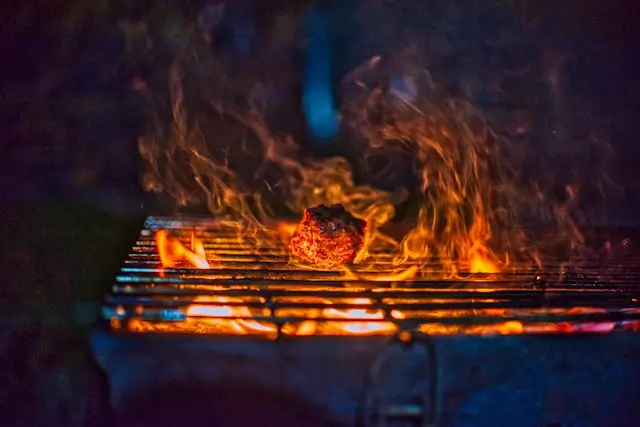
Campfires and outdoor cooking
1. Start safely
If you’re using a charcoal grill, only use an electric starter or a solid, cake-form chemical starter. Don’t use liquid chemical starters or other flammable liquids like gasoline.
Before you light a campfire, make sure you have enough water nearby to extinguish it — at least eight litres.
2. Choose the location carefully
Whether gas or charcoal, make sure your grill isn’t placed somewhere that the heat could ignite nearby materials. Place the grill away from your house (or any other structure) and not underneath any eaves or other overhead cover. Ensure there’s no vegetation nearby. Make sure your grill is stable and level as well.
For campfires, use a fire pit if one is available. Otherwise, build your fire on non-combustible ground like bare rock or dirt. Choose a site close to a water source and sheltered from the wind, at least three metres away from any overhanging tree branches. Clear a space of about two metres around the fire, clearing away dry twigs, pine needles, and other flammables.5
3. Never leave a grill or campfire unattended
While a grill is running or a campfire is hot, do not leave it unattended until it’s been completely extinguished. Keep small children away from active flames.
4. Extinguish flames completely
Douse campfires with plenty of water. It may take 8 to 10 litres of water to completely extinguish a fire. Pour some water over the fire, then stir the ashes around with a stick before pouring more water. Continue this process until there’s no smoke and the water doesn’t hiss when it hits the coals or ashes.
When you’re finished with a charcoal grill, soak the remaining hot coals thoroughly. Let them cool completely, then wrap them in aluminum foil before disposing of them.
Related articles
Landscaping and yard care may not seem like a fire hazard. But, any use of power equipment in dry conditions requires caution.
“Power landscaping equipment, particularly lawnmowers, string trimmers, chainsaws, and brush cutters, can present a moderate to high ignition risk, especially during dry conditions,” said D’Agostino.3
According to D’Agostino, the main sources of ignition from power equipment include:
- Hot engine and exhaust components contacting dry grass or debris
- Metal blades or components striking rocks, producing sparks
- Accumulated vegetation debris near mufflers or engine housings
Sparks are a primary source of ignition from power tools, and they’re more common than you might think.
Obviously, if you’re doing any outdoor work with spark-producing tools like grinders or welders, you need to have a fire suppression plan in place.6 That includes having a fire extinguisher nearby and clearing a wide area of flammable materials.
D’Agostino and the FPOABC recommend the following safety measures for using power landscaping tools outdoors:
- Always follow manufacturer recommendations, including maintenance schedules, operating limits, and safe-use instructions
- Avoid operation during peak heat or wind conditions (typically mid-afternoon)
- Clear the work area of dry vegetation and debris before starting
- Ensure spark arrestors (where applicable) are installed and functioning properly
- Regularly clean equipment, especially around mufflers and engine cooling areas
- Keep a fire extinguisher or water source readily available
- Shut down equipment immediately if unusual heat, smell, or sparking is observed3
Power landscaping tools can easily ignite a fire if conditions are dry enough — exercise care at all times.
6. Drive safely
Vehicles can start fires in dry conditions — especially off-road vehicles like ATVs or dirt bikes with exposed engine components. D’Agostino and the FPOABC list three notable risks arising from off-road vehicles:
- Hot exhaust systems igniting dry grass or forest litter
- Undercarriage components collecting and heating vegetation debris
- Sparks or heat from mechanical failure or contact with rocks3
“Vehicles parked or idling over dry fuels present a particularly high risk,” said D’Agostino.
When you’re operating an off-road vehicle, make sure to follow these safety practices:
- Adhering strictly to manufacturer recommendations, including maintenance of exhaust systems and heat shields
- Ensuring approved spark arrestors are installed and maintained
- Avoiding driving or parking over dry grass, brush, or slash
- Allowing hot components to cool before stopping in vegetated areas
- Inspecting undercarriages regularly for debris buildup
- Carrying firefighting tools, such as a small extinguisher, shovel, or water
- Complying with local fire restrictions and closures, which may prohibit off-road use during extreme conditions3
Additionally, make sure trailer chains or other dangling bits of metal are secured and don’t bounce on the road surface.
One last bit of common sense: don’t toss cigarette butts while you’re driving (or ever). Dispose of them in the trash after they’ve been completely extinguished. Detailed data on the triggers of human-caused fires isn’t widely available, but smoker’s materials were implicated in an estimated 11% of outdoor fires in one Canadian study.7
7. Refuel cautiously
Whether landscaping tools or vehicles, be careful while you’re refuelling:
- Always turn off the engine and allow it to cool before refuelling, as hot surfaces can ignite fuel vapours
- Refuel in a well-ventilated area, away from ignition sources, including open flames, sparks, or hot equipment
- Use approved fuel containers and follow manufacturer guidance on fuel type and handling
- Avoid overfilling and clean up any spills immediately
- Never refuel while the equipment is running or still hot
- Secure fuel containers properly and store them away from operational areas3
“Proper refuelling practices are a key but often overlooked component of fire prevention,” said D’Agostino.3
8. Be careful with batteries
You may not have to worry about refuelling hazards or exhaust sparks, but lithium-ion batteries come with their own fire risks. Take care if you use battery-powered tools, portable power stations, solar chargers, or similar equipment outdoors.
“Although these devices are generally safe when used correctly, failures can result in intense, difficult-to-extinguish fires,” said D’Agostino.3
The risk of a lithium-ion battery igniting is worsened when it’s exposed to heat or direct sunlight. Damaged batteries are also more likely to fail and combust. Follow these safety tips while using a battery-powered tool or portable power station:
- Use only manufacturer-approved chargers and accessories
- Avoid charging or storing devices in extreme heat
- Inspect batteries regularly for swelling, damage, or unusual heat
- Store and operate equipment in dry, well-ventilated areas away from combustible materials
- Follow all manufacturer storage and usage guidelines3
Visit our complete guide to lithium-ion battery safety for more fire prevention tips in or out of the house.